
Transparency in Balance
What a Balance Unit is
- Each Balance Unit funds three things:
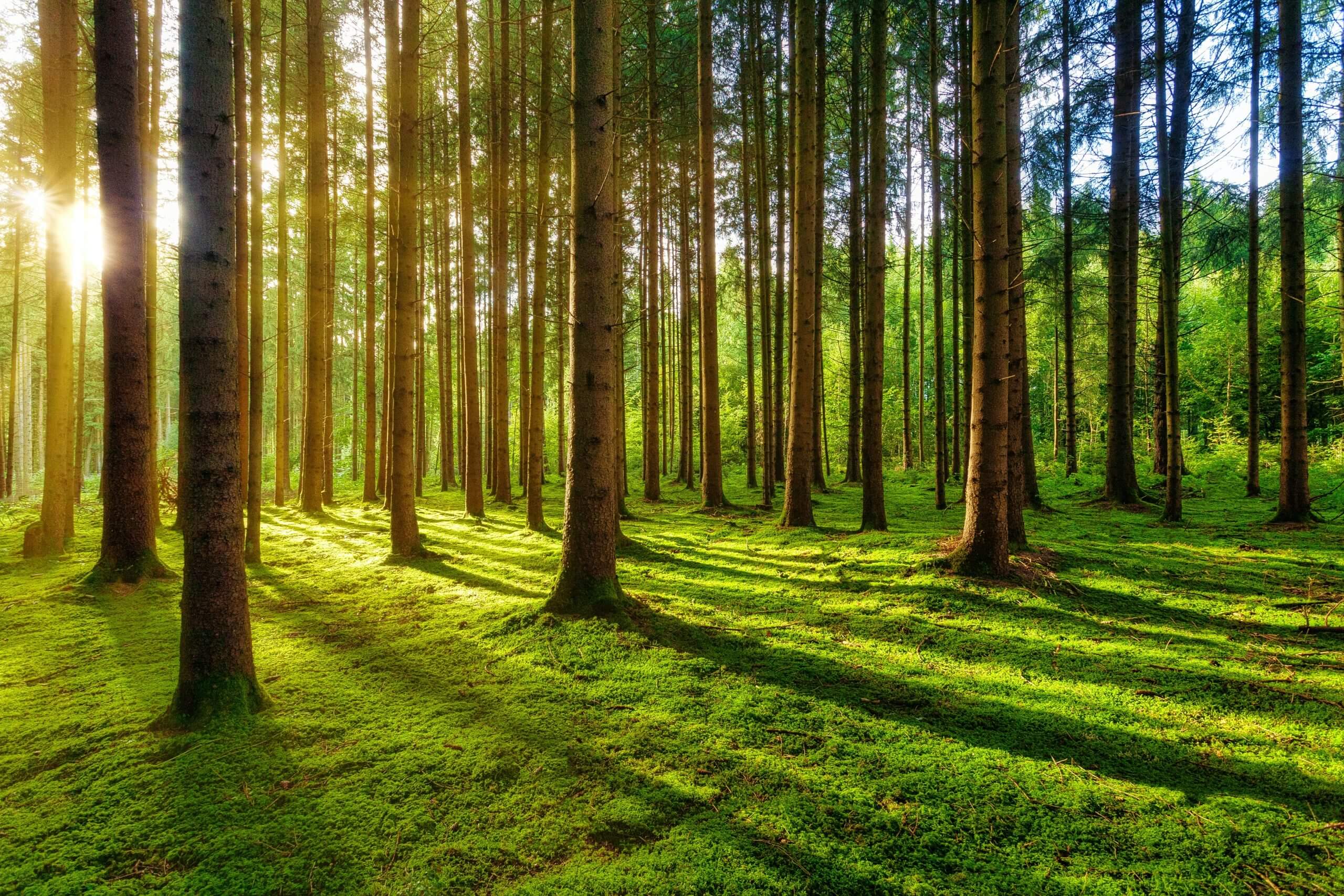
- Biodiversity. Native forest planted and protected at a Balance Forest, under contracts with our planting partners that require native species, protection by contract for a minimum of 100 years, replanting after fire, flood or disease, and annual reporting.
- Social economics. At least 40% of finance goes to local communities where they are present (100% where the community is the developer), supporting work such as beekeeping, agroforestry and forest stewardship.
- Fighting climate breakdown. Each Balance Unit is linked to one carbon credit verified under an existing standard (Verra, Gold Standard, Plan Vivo or the Woodland Carbon Code). Many are Pending Issuance Units, which represent carbon the forest is expected to remove as it grows and which are verified over time. We retire the linked credits on the S&P Global Environmental Registry so they cannot be sold again.
For every Balance Unit, an Extra Tree is also planted with a partner, such as a Community Forest, in an area the buyer chooses.
A project becomes a Balance project when it signs a legally binding Balance contract and takes on commitments the standards don’t ask for: protection for a minimum of 100 years, at least 40% of finance to local communities where they are present, replanting after damage, and annual biodiversity and socioeconomic reports.
What a Balance Unit is not
A Balance Unit is not an offset. Buying Balance Units does not cancel out emissions and does not make a person, business or product carbon neutral, net zero or climate positive. We encourage everyone to reduce their own emissions first: efficiency, reduction, then Balance.
What “Balanced” means
When we, or our clients, say “Balanced”, we mean that biodiversity and community income have been funded, and that the business is taking part in the fight against climate breakdown. It never means neutral. Please always use “Balanced” with that meaning alongside it.
What you can and can’t say
You can say:
- “[Your company] is Balanced for 2026, supporting [Balance Forest], restoring native woodland, sustaining local communities and fighting climate breakdown.”
- “We fund Balance Units: native forest restored at [project], with [x]% of project finance going to the local community, and carbon removal verified under [Verra / Gold Standard / Plan Vivo / Woodland Carbon Code].”
- “Our Balance Units fund the removal of at least [x] tonnes of CO₂ over the project’s life, retired on S&P Global.”
- “This year our Balance project community earned £[x] from beekeeping and agroforestry” (using figures from your annual report).
- “For every Balance Unit we fund, an Extra Tree is planted with [partner]. Come and plant with us.”
- “Built on a published, peer reviewed methodology”, with a link to balance.eco/our-science.
You can’t say:
- “Carbon neutral”, “climate neutral”, “net zero”, “climate positive” or “carbon negative” because of Balance Units.
- “We’ve offset our emissions” or “our footprint is cancelled”.
- “Our emissions are Balanced”, or “Balanced” on its own as if it meant neutral.
- “We remove [x] tonnes” in the present tense, unless the credits have already been issued.
- “Green”, “eco friendly” or “sustainable” without saying specifically what you mean.
The certificate and the Balance mark
Your Balance certificate is a record of your purchase. It is not a certification or a sustainability label. Please do not display it, or any Balance logo or badge, on products, packaging or advertising aimed at consumers unless we have agreed this with you in writing. You are welcome to share it in reports, with business partners and on request.
Why this matters
Since 27 September 2026, EU law has banned claims that a product is carbon neutral, or has a reduced or positive climate impact, because of offsetting. In the UK, the Competition and Markets Authority can fine businesses for misleading environmental claims. Following this guidance keeps your communications accurate and protects both of us.
How we hold ourselves to account
- Published methodology. Our methodology was peer reviewed and published in the International Journal of Sustainable Energy (DOI 10.1080/14786451.2023.2275809).
- Independent verification. The carbon in each Balance Unit is verified by an existing independent standard, not by us.
- Public retirement. Linked credits are retired on a public registry.
- Annual reporting. Planting partners report every year on biodiversity and community benefits, and we share these reports with our clients.
- B Corp. Balance Eco Ltd has been a certified B Corporation since October 2025, with a score of 123.8.
Need help with your wording?
We’re happy to check your communications before you publish them. Email enquiries@balance.eco.
Responsible business (ESG, Modern Slavery, D&I)
Responsible business
B Corp
We have been a certified B Corporation since October 2025. B Corp certification assesses a company’s impact on its workers, communities, customers and the environment, and its governance. We will recertify every three years.
Human rights
Respecting human rights is part of the Balance methodology. Where communities receive a share of project revenues, that does not replace their rights. Our approach includes seeking free, prior and informed consent from affected communities, particularly Indigenous Peoples, fair compensation for the work communities take on, and a grievance mechanism communities can actually use. Read our full Human Rights Policy Statement.
Modern slavery
We are not required to publish a statement under the Modern Slavery Act 2015, but we take the risk seriously, particularly in international forestry. Our contracts with planting partners require them to uphold human rights and the socio-economic wellbeing of local people, and we work with partners whose projects are verified under recognised standards. We will strengthen our due diligence as we grow.
Diversity and inclusion
We are a small team of independent consultants and advisers working across several countries. We aim to be fair and inclusive in how we work with people and choose collaborators, and we welcome feedback on how we can do better.