
What is Balance?
Beyond offset
Balance is a new system that empowers people, organisations and businesses to enrich the natural world
It is built on a peer-reviewed and published methodology that integrates three pillars:
- Biodiversity: creates biodiversity
- Social economics: creates economic well-being for the people who protect the forests
- Climate: fighting climate breakdown by removing carbon
Each depends on the others. Biodiversity needs permanence to last. Permanence needs strong local economies to protect it. And carbon removal only lasts if the biodiversity it relies on is permanent. The result is resilience, both for your supply chain and for your customers.
What is a Balance Unit?
Three outcomes in one unit
A Balance Unit brings these three outcomes together, combining biodiversity creation and sustainable community income with verified carbon removal.
We aren’t fixing the old carbon credit system. We are powering the new bio-economy while retaining one key component from the old system that works: a clear route for directing capital to project developers.
We upgrade existing standards. We don’t replace them.
A methodology, not a standard
Balance is not a carbon standard, a registry, an Article 6 mechanism, a project developer or a replacement for national climate policy. Carbon accounting stays with the standard. Balance adds what the standards don’t cover. A project becomes a Balance project when it signs a legally binding Balance contract and takes on commitments the standards don’t ask for: protection for 100 years, at least 40% of finance to local communities where they are present (100% where the community is the developer), replanting after damage, and annual biodiversity and socioeconomic reports.
Each Balance Unit starts as a carbon credit verified by a recognised standard: Verra, Gold Standard, Plan Vivo or the Woodland Carbon Code. It is retired at S&P Global on purchase, so it can’t be sold again.
The true minimum life-cycle of CO₂
Why 100 years
Standard carbon credits typically offer around 40 years of legal protection, but scientists measure CO₂’s warming impact over 100 years. Balance closes that gap: we plant and protect for 100 years, the true minimum life-cycle of CO₂.
Our Forests and the Extra Tree
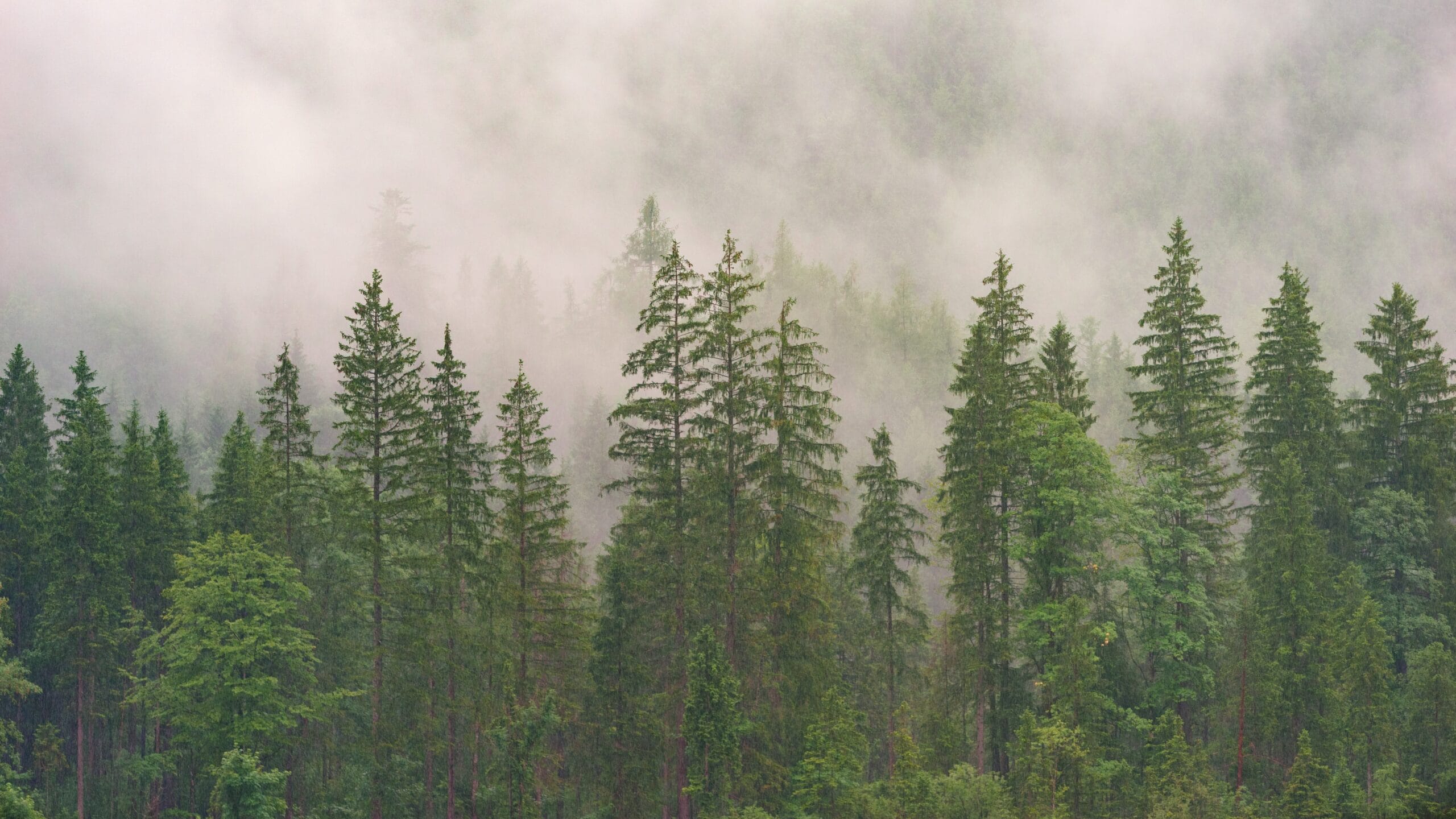
Each Balance Forest contributes to strong biodiverse ecosystems and sustainable economic opportunities for local communities, helping create the conditions for nature to be protected over the long term. Planting projects and forests range from Loch Ness to Honduras.
The ‘Extra Tree’ acts as the local sister tree to our Balance Unit, grounding your global impact locally and engaging people in what matters most to them: improving their local habitat. We have long-term contracts in place with the Community Forest Trust in the UK, and these designated ‘Plant and Protect’ projects create vital species migration corridors that reconnect fragmented urban and rural landscapes.
Who Balance is for
From a single holiday to a national climate plan.
Reduce what you can first. Then Balance what remains.
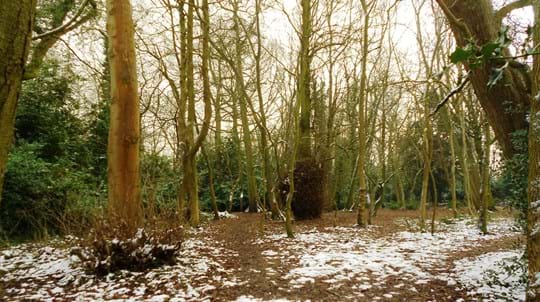
Businesses of all sizes
UK SMEs can estimate their Scope 1 and 2 impact in seconds with our Balance to Sector calculator; larger businesses can fund Balance Units from an existing assessment.

Individuals
Balance your lifestyle in a few quick questions.
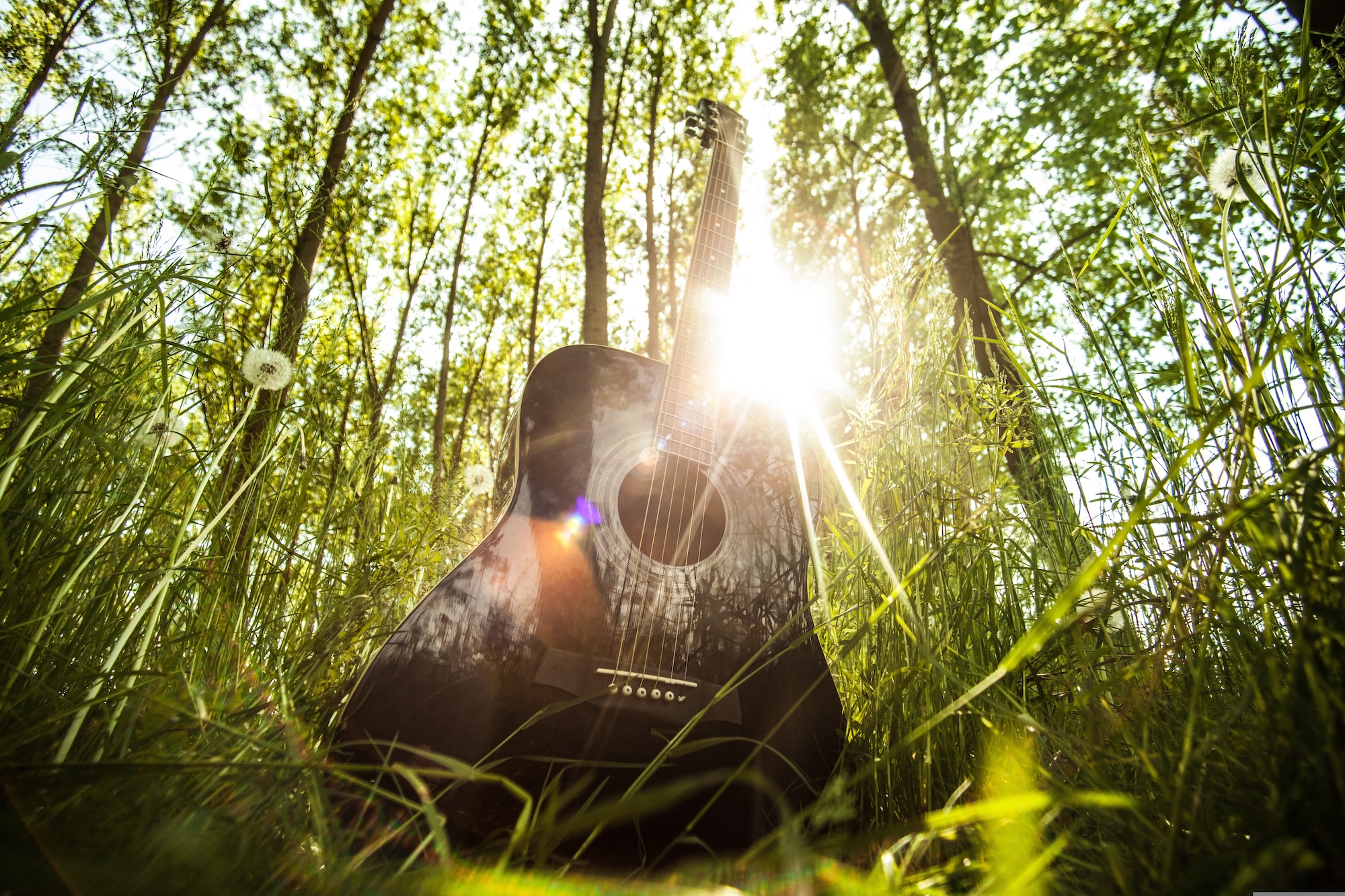
Live events
Supporting the touring and live events industry to become sustainable, helping it understand its impact and address unavoidable impact, the majority of which come from audiences.
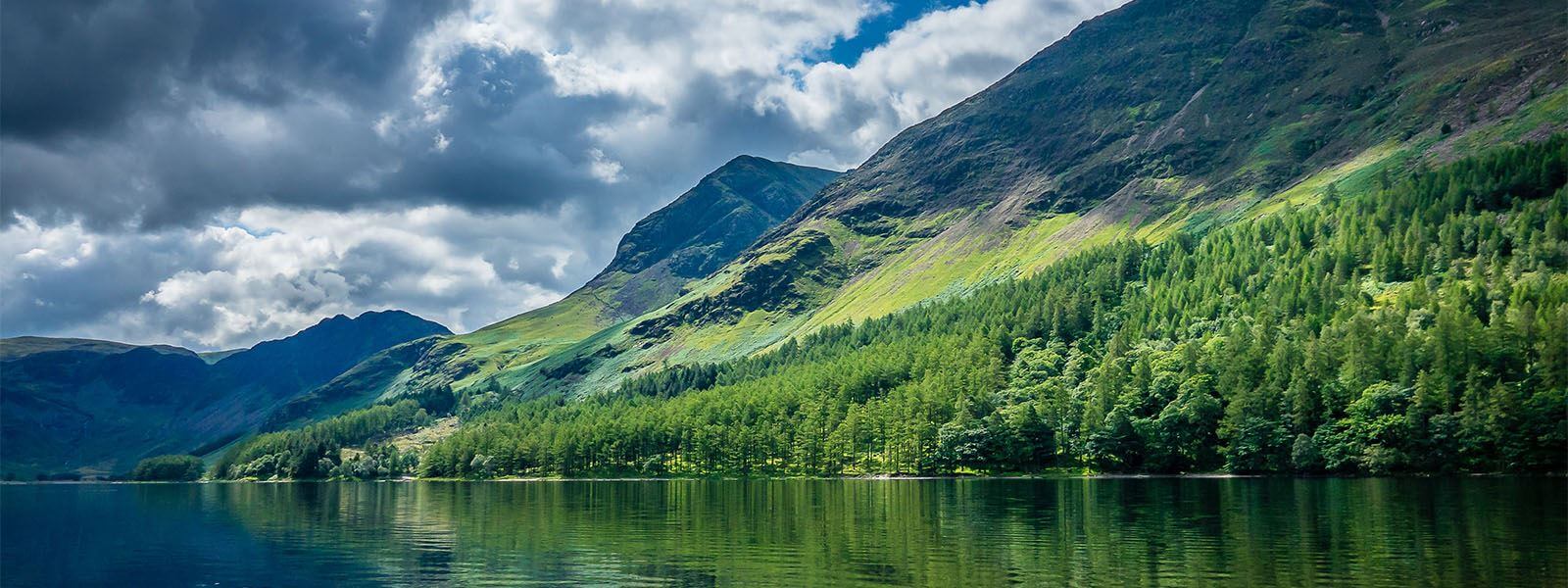
Governments and NDCs
Balance Units are designed to be interoperable with Article 6; created from eligible national carbon credits under Balance’s methodology, and, where a government chooses to authorise them, able to move directly into Article 6 markets.